

For individuals managing conditions that affect protein metabolism, supplements can play an important role in maintaining proper nutritional balance and supporting overall health. Disorders such as Urea Cycle Disorders can interfere with the body’s ability to process protein and eliminate nitrogen waste through the Urea cycle. As a result, carefully selected supplements may be used alongside dietary management and medications to help reduce the risk of complications such as Hyperammonemia.
One common category of supplements used in this context includes amino acid supplements, which are designed to support the body’s metabolic processes without overloading it with excess protein. In certain cases, supplements such as L-arginine or L-citrulline may be recommended to help improve the efficiency of the urea cycle. These supplements can assist the body in processing nitrogen waste more effectively, but they must be used under medical supervision to ensure they are appropriate for the individual’s specific condition.
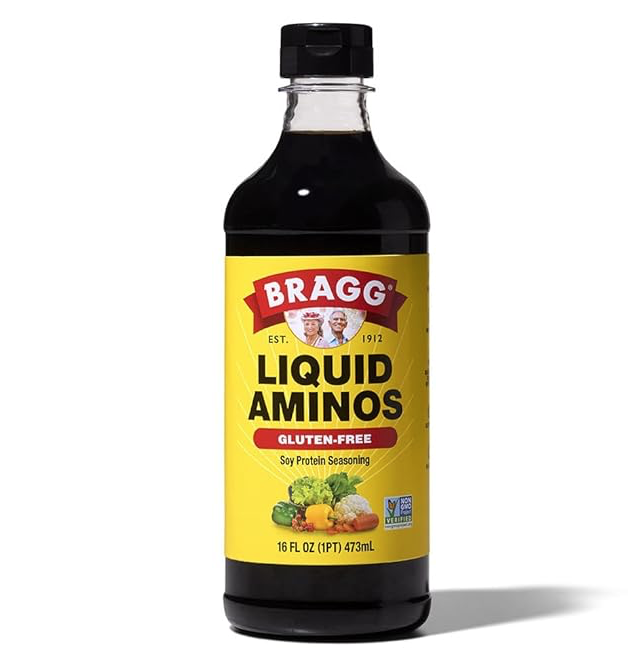 In addition to amino acids, individuals on low-protein diets may require vitamin and mineral supplementation to prevent nutritional deficiencies. Limiting protein intake can sometimes reduce the consumption of important nutrients such as B vitamins, iron, and zinc. Supplements can help fill these gaps and support energy levels, immune function, and overall well-being. Electrolyte supplements may also be useful in maintaining proper hydration and metabolic balance, particularly during illness or periods of increased stress.
It is important to understand that supplements are not a substitute for proper medical care or a carefully managed diet. The type and amount of supplementation needed can vary widely depending on the individual’s diagnosis, age, and overall health. Working with a healthcare provider or registered dietitian ensures that supplements are used safely and effectively as part of a comprehensive treatment plan.
When used correctly, supplements can be a valuable tool in helping individuals manage protein metabolism disorders and maintain long-term health. However, because these conditions are complex, all supplement use should be guided by professional medical advice to avoid unintended complications.
For individuals with Urea Cycle Disorders (UCDs) and related protein toxicity (hyperammonemia), supplements are critical for providing essential nutrients while bypassing the body’s inability to process waste nitrogen. These are often categorized as medical foods and must be taken under strict professional supervision. [1, 2, 3, 4]
Primary Amino Acid Supplements [5]
Doctors routinely prescribe specific amino acids to stimulate the urea cycle or provide alternative pathways for nitrogen removal. [1, 6]
- L-Arginine: Used to catalyze the urea cycle and support ammonia removal. It is standard for chronic management, often given as a “free base” powder to avoid metabolic acidosis.
- L-Citrulline: A precursor to arginine used specifically for CPS and OTC deficiencies to increase plasma arginine concentrations and maximize ammonia excretion.
- Essential Amino Acids (EAAs): Because UCD patients must strictly limit natural protein, they are at high risk for deficiencies. Supplements like Essential Amino Acid Mix or UCD amino5 provide these vital nutrients without the excess nitrogen found in whole proteins.
- Branched-Chain Amino Acids (BCAAs): Leucine, isoleucine, and valine may be supplemented to prevent body protein breakdown (catabolism), especially in patients taking certain nitrogen-scavenging medications. [1, 3, 7, 8, 9, 10, 11, 12, 13]
Specialized Medical Formulas
These are “all-in-one” modular feeds designed to meet the unique metabolic needs of UCD patients. [14, 15, 16]
- Protein Substitutes: Specialized formulas like Cyclinex (1 & 2), UCD Anamix Junior, and UCD Trio provide approximately half of a patient’s daily protein requirement in a safer, processed form.
- Calorie Modules: High-calorie, protein-free supplements such as Prophree, Polycose, ModuCal, and Duocal ensure the body has enough energy to prevent catabolism, which can spike ammonia levels. [12, 17, 18, 19, 20]
Supportive Supplements
Healthcare professionals may also include these to manage side effects or secondary deficiencies: [7, 17]
- Multivitamins and Minerals: Often prescribed because restricted diets lack essential micronutrients like Vitamin B12, calcium, zinc, and copper.
- Antioxidants: Sometimes added to the treatment plan to support general health under metabolic stress.
- L-Carnitine: Occasionally used to support cellular energy and potentially reduce toxicity, though its direct clinical benefit for all UCD types is still being studied.
- Antacids: Frequently used to manage gastrointestinal side effects, such as acid reflux, caused by primary UCD medications. [7, 17, 21, 22, 23, 24]
Investigational & Targeted Options
- Probiotics: Certain strains like Lactobacillus plantarum are being researched for their ability to consume ammonia directly in the gut before it enters the bloodstream.
- Carglumic Acid: While classified as a drug, it acts as a synthetic activator of the CPS 1 enzyme and is essential for treating NAGS deficiency. [24, 25, 26]
[1] https://pmc.ncbi.nlm.nih.gov
[3] https://www.nestlehealthscience.com
[4] https://www.solacenutrition.com
[6] https://my.clevelandclinic.org
[7] https://www.news-medical.net
[10] https://pmc.ncbi.nlm.nih.gov
[11] https://www.sciencedirect.com
[12] https://nucdf.org
[13] https://pmc.ncbi.nlm.nih.gov
[14] https://nucdf.org
[15] https://nucdf.org
[16] https://www.prnewswire.com
[17] https://www.news-medical.net
[18] https://www.news-medical.net
[19] https://pmc.ncbi.nlm.nih.gov
[20] https://pmc.ncbi.nlm.nih.gov
[21] https://www.sciencedirect.com
[22] https://www.news-medical.net
[23] https://www.sciencedirect.com
[24] https://pmc.ncbi.nlm.nih.gov
[25] https://emedicine.medscape.com
[26] https://emedicine.medscape.com
For individuals with urea cycle disorders (UCD) and protein toxicity, medical food brands provide the essential nutrients needed to manage ammonia levels safely. These products are specialized to be milk-protein free and are often prescribed by doctors for lifelong dietary management. [1]
Medical Formula & Amino Acid Brands
These specialized formulas are categorized by age and specific metabolic needs. [2, 3, 4]
- Nutricia Metabolics: Offers a range of focused medical foods for different life stages.
- UCD Anamix Infant: A powdered formula specifically for infants with urea cycle disorders.
- UCD Anamix Junior: Available as a powder or a liquid supplement (UCD Anamix Junior LQ) in flavors like vanilla for children over one year.
- Essential Amino Acid Mix: A powdered blend of essential amino acids like L-arginine and L-leucine, designed for broad UCD management.
- Vitaflo (Nestlé Health Science): Provides modular products that can be customized for individual protein requirements.
- UCD amino5: A specialized amino acid mixture suitable from birth through adulthood.
- UCD trio: An “all-in-one” powdered medical food designed for easier long-term management.
- EAA Supplement: A concentrated source of essential amino acids for patients age three and older.
- Abbott Metabolic: Produces widely used metabolic protein substitutes.
- Cyclinex-1 and Cyclinex-2: Amino acid-modified medical foods specifically for UCD, HHH syndrome, or gyrate atrophy.
- Solace Nutrition: Specializes in concentrated single-ingredient medical foods.
- Cytolline: A pure, soluble L-citrulline powder used to help manage ammonia excretion. [1, 3, 4, 5, 6, 7, 8, 9, 10, 11, 12]
Nitrogen Scavenging Medications [13]
While often taken alongside supplements, these are pharmaceutical treatments used to lower nitrogen levels in the blood. [13, 14]
- Ravicti (glycerol phenylbutyrate): A nearly tasteless liquid nitrogen binder.
- Pheburane (sodium phenylbutyrate): Coated, tasteless pellets designed to improve patient compliance over standard tablets.
- Olpruva (sodium phenylbutyrate): An oral suspension option for nitrogen management.
- Carbaglu (carglumic acid): Used specifically for hyperammonemia due to NAGS deficiency. [9, 15, 16, 17, 18, 19]
Support & Calorie Modules
Because these patients must limit natural protein, they use protein-free calorie boosters to prevent their bodies from breaking down muscle for energy. [2, 4]
- Duocal (Nutricia): A high-calorie, protein-free powder that can be added to other foods or formulas.
- Prophree (Abbott): A protein-free carbohydrate and fat module used to meet daily energy needs.
- Polycose: A carbohydrate module often prescribed alongside UCD formulas. [2, 9, 10]
[1] https://www.nutriciametabolics.com
[2] https://www.news-medical.net
[3] https://www.nestlehealthscience.com
[6] https://www.nestlehealthscience.com
[7] https://www.nestlehealthscience.us
[8] https://www.nestlehealthscience.com
[10] https://nucdf.org
[11] https://www.solacenutrition.com
[12] https://www.solacenutrition.com
[13] https://www.cvsspecialty.com
[15] https://www.hhs.texas.gov
[16] https://www.ravictihcp.com